













A project dedicated to developing nurturers and children that are grounded in our Philippine songs and hele, the Cultural Center of the Philippines (CCP) is set to re-launch “Himig Himbing: Mga Heleng Atin” on November 5, 2023, at the Tanghalang Ignacio Gimenez (TIG).
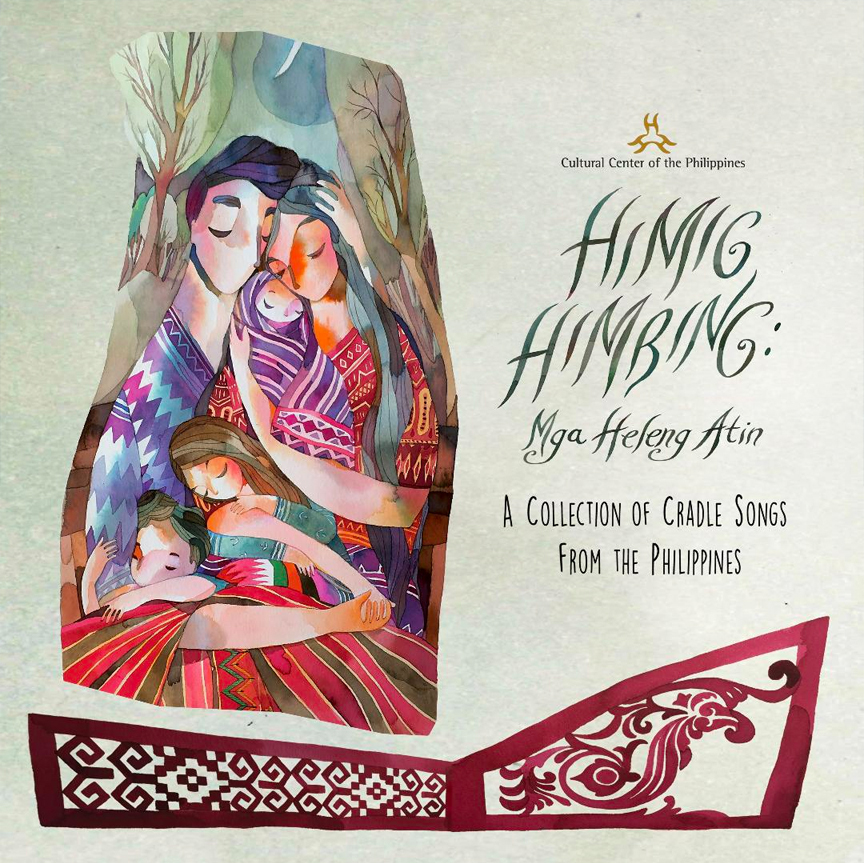
Developed by the CCP Arts Education Department through its Audience Development Division, this year’s Himig Himbing adds eight new music videos of lullabies based on the research of ethnomusicologist Sol Trinidad and musical arrangement by Krina Cayabyab.
Set to direct these music videos are esteemed Filipino filmmakers Zig Dulay, Jerrold Tarog, Sheron Dayoc, Doy and Ida Del Mundo, Ma-an Asuncion Dagñalan, Vic Acedillo Jr, Arden Condez, and Christopher Gozum.
The Himig Himbing collection will also be published as a book featuring forewords by National Artist for Music Dr. Ramon A. Santos, and National Social Scientist Dr. Honey Carandang, adding significant prestige to this cultural initiative.
From Nov. 5 onwards these lullabies will also be available on Spotify and other Digital Service Platforms. (Link to Spotify)
Soothing Filipino lullabies for all ages
While the lullabies are originally intended to calm babies and children, the Himig Himbing collection aims at offering comfort to everyone. The gentle, rhythmic melody of every song can soothe the soul of both young and old.
One of the famous songs in the collection is “Lubi-Lubi,” directed by Jerrold Tarog. Lubi-Lubi is a lullaby originally recorded in 1970 by Antonio Regalario in Bicol and performed by Restituta Tutañez. This particular melody, accompanied by lyrics representing the months of the year, is a well-known song used in many regions of the Philippines to lull children to sleep. Interestingly, the composition includes verses in Bicolano, Waray, and Tagalog languages, serving as both a lullaby and an educational tool to help children learn the names of the months.
“Dandansoy,” hailing from Culasi, Antique, is a Hiligaynon song distinct from the Condansoy of Leyte. Its widespread popularity led to its inclusion in numerous local and international publications, featuring arrangements for piano, violin, voice, and various other instruments. Director Zig Dulay now presents this renowned love song in a lullaby rendition, transforming its gentle melodic leaps into a comforting and soothing experience for children.
Meanwhile, director Sheron Dayoc seeks to preserve the Mansaka language, one of the endangered Philippine languages spoken by fewer than 60,000 people worldwide. He accomplishes this by highlighting the lullaby “Uyug-Uyug,” which derives its name from the gentle rocking motion it evokes. This Mansaka lullaby possesses the remarkable ability to calm a child’s tears while offering the comforting message that their mother will soon recover from her ailment.
In Gonon Klukab Tumabaga, filmmakers Doy and Ida Del Mundo filmmakers Doy and Ida Del Mundo endeavor to showcase the remarkable way lullabies encapsulate the essence of everyday life and the geographical landscape of a community, seamlessly interwoven into the song’s narrative. This specific Blaan lullaby not only serves the purpose of lulling a child to sleep but also incorporates the local names of musical instruments, rivers, mountains, and imparts a subtle life lesson within its verses.
Director Ma-an Asuncion Dagñalan, on the other hand, embarks on a journey to revisit Pampanga’s documented history of resistance against the Spanish colonizers. She does so by intertwining memories and stories of local heroes and heroines within the Kapampangan lullaby “O Matas A Banua.”
Vic Acedillo Jr. includes “Tungas kay ta Sampaw” in the collection with the aim of preserving the endangered indigenous Manobo Kinamiging language used within Camiguin, a historic town on the northern coast of Mindanao.
Guests will also find comfort in director Arden Condez’s rendition of the Boholano lullaby “Bata Alimahi (Foster the Child).” The song tells the story of a mother who seeks the help of her mother to care for her child. The lullaby highlights the reality that a mother’s role continues as she will give the same love and care to her grandchild.
Lastly, director Christopher Gozum breathes new life into the Pangasinense lullaby “Ligliway teng.” Found in the 2002 publication of the Komisyon sa Wikang Filipino titled “Mga Katutubong Awiting Pangasinan: Cancansion ng Pangasinan,” this enchanting lullaby conveys the message that children are the soothing remedy for weariness and sorrow, serving as a source of solace in times of fatigue and sadness.
For additional information on Himig Himbing, please visit the CCP website at www.culturalcenter.gov.ph and follow CCP’s official social media accounts on Facebook, X, and Instagram, TikTok, and YouTube.