








Art has long served as a vital instrument for the LGBTQIA+ community in its enduring quest for visibility and acceptance. Today, the Philippine artistic landscape is a vibrant tapestry woven with stories of struggle, resilience, and triumph.
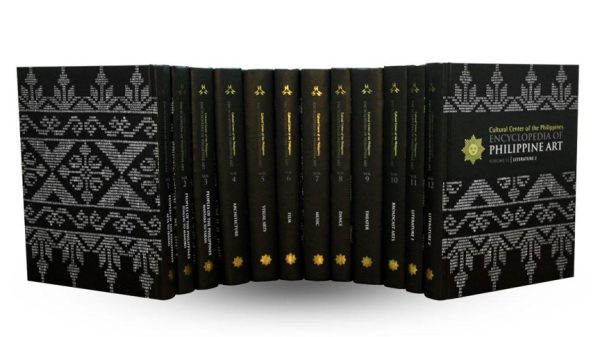
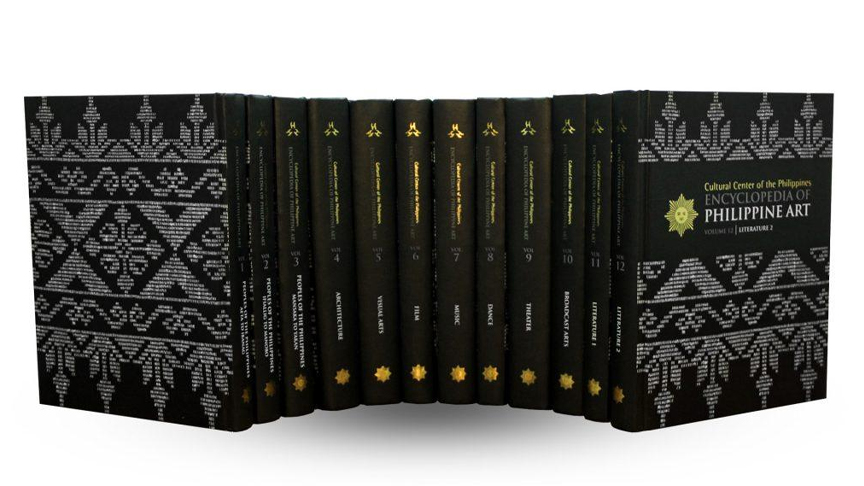
The CCP Encyclopedia of Philippine Art (CCP-EPA), the most comprehensive source of knowledge on the country’s arts and culture, spotlights these stories across film, theater, literature, and television.
Queer Cinema: From Subversion to Mainstream Visibility
The history of LGBTQIA+ representation in Philippine cinema is more nuanced and expansive than often recognized. These cinematic milestones have not only shaped how queer Filipinos perceive themselves but have also challenged broader societal perspectives.
The CCP Encyclopedia of Philippine Art identifies National Artist Lino Brocka as a cornerstone of this movement. His 1971 masterpiece, Tubog sa Ginto, remains a landmark as one of the first films to treat homosexuality with psychological depth and sensitivity, diverging from the caricatures prevalent in comedies of that era.
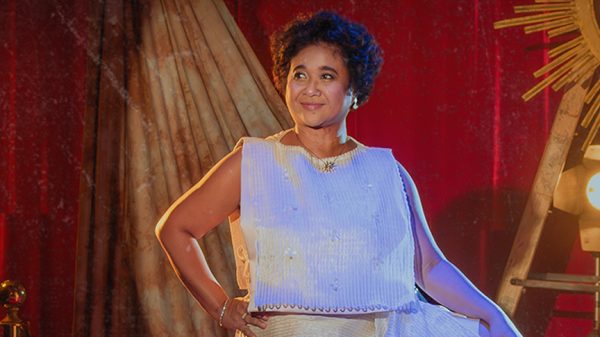
Decades later, films like Markova: Comfort Gay (2000) and the award-winning Ang Pagdadalaga ni Maximo Oliveros (2005) continued to broaden the narrative. From historical dramas to poignant coming-of-age stories, these works cemented the place of queer identities within the national discourse. More recently, Jun Robles Lana’s Die Beautiful (2016) brought transgender experiences to the forefront of the mainstream, winning acclaim for its blend of humor and heartbreak.
Theater as a Sanctuary and Catalyst for Change
Long before queer stories reached the multiplex, Philippine theater served as a safe haven. The CCP EPA archives numerous productions that reflect the community’s plight and perseverance.
Iconic productions such as Zsazsa Zaturnnah Ze Muzikal (2006) and Care Divas have become cultural touchstones. Whether through the lens of a superhero fantasy or the lived realities of drag-performing OFWs in Israel, these plays demonstrate the transformative power of art to inspire and connect.
Other must-know staged plays included in the encyclopedia are Orlandro Nadres’s Hanggang Dito na Lamang at Maraming Salamat, Chris Martinez’s Freshman and Baclofen, Anton Juan’s Death in the Form of a Rose, Rody Vera’s Kung Paano Ko Pinatay si Diana Ross, and Nicolas Pichay and William Elvin Manzano’s Maxie: The Musicale.
Literature and the Digital Frontier
The CCP EPA’s literature curation includes works that continue to define and highlight the unique experience of being Filipino and being a member of the LGBTQIA+ community.
Literature remains a powerful vehicle for liberation. The 1994 publication of Ladlad: An Anthology of Philippine Gay Writing was a watershed moment for independent voices. This legacy continues through the works of Ricky Lee (Si Amapola sa 65 na Kabanata), Tony Perez (Cubao 1980 at Iba Pang Katha), and Honorio Bartolome de Dios (Sa Labas ng Parlor), whose stories illuminate the complexities of queer Filipino life.
In the digital age, this representation has transitioned to screens via teleseryes and web series. Landmark shows like My Husband’s Lover and the global phenomenon Gameboys have proven that Filipino queer stories resonate deeply with audiences across the globe.
Championing Freedom of Expression
As the nation commemorates Independence Month and Pride Month, the CCP EPA serves as a critical reminder that artistic and personal freedoms are inextricably linked. By archiving these stories, the Encyclopedia ensures that the contributions of the LGBTQIA+ community to the Philippine cultural identity are preserved for future generations.
To tell a queer story with honesty and sympathy is to tell a Filipino story that could move the world. The CCP Encyclopedia of Philippine Art (EPA) ensures that these works are never forgotten, as they are part of the larger story of Philippine artistic freedom, since its first edition in 1994.
Written and researched by over 500 respected scholars and experts from the country’s top universities and research institutions, the CCP EPA holds over 5,000 articles in its 12 volumes. Its digital edition carries 6,000 articles and hundreds of video excerpts from dances and musical performances from the CCP archives.
For as low as Php99 monthly or Php999 annually, subscribe to the CCP EPA. Check out its official website at epa.culturalcenter.gov.ph/encylopedia. You may also email epa@culturalcenter.gov.ph to purchase a copy of the CCP EPA print edition and/or the special USB offline version.